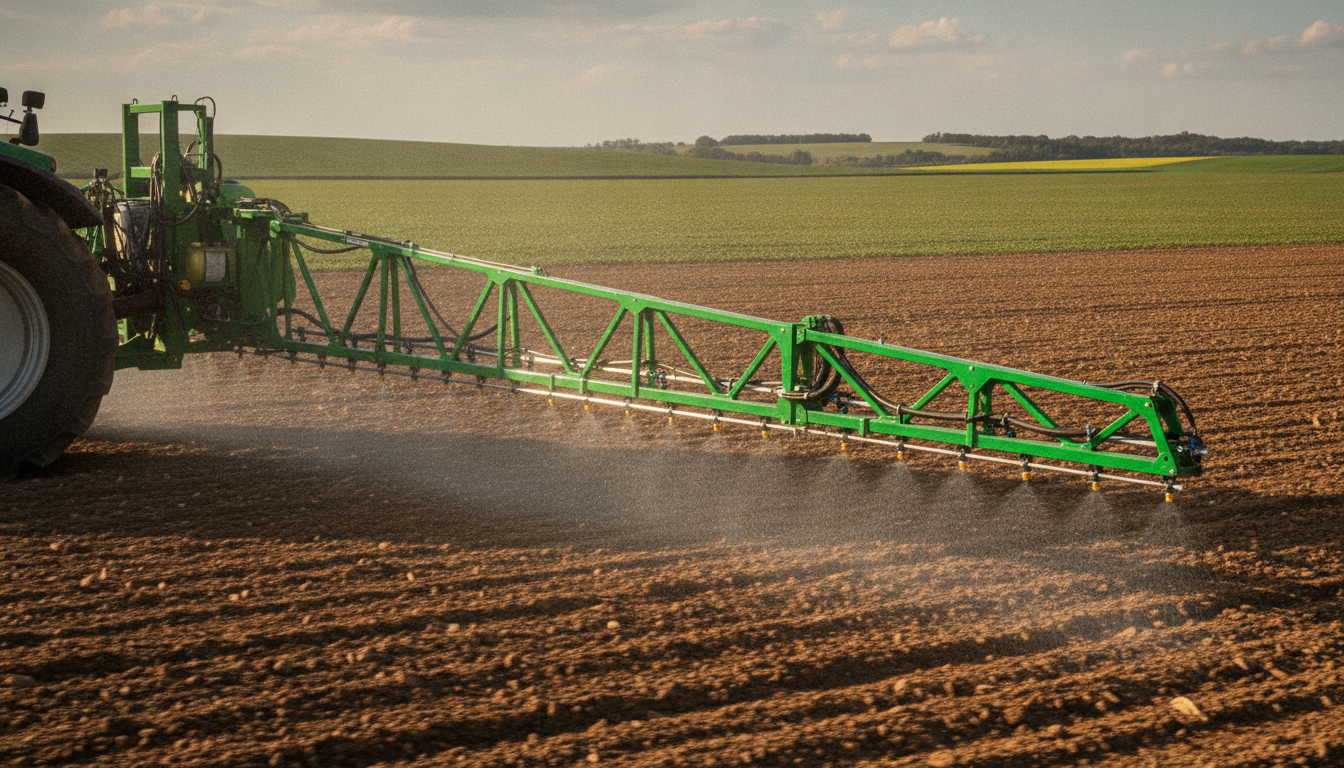
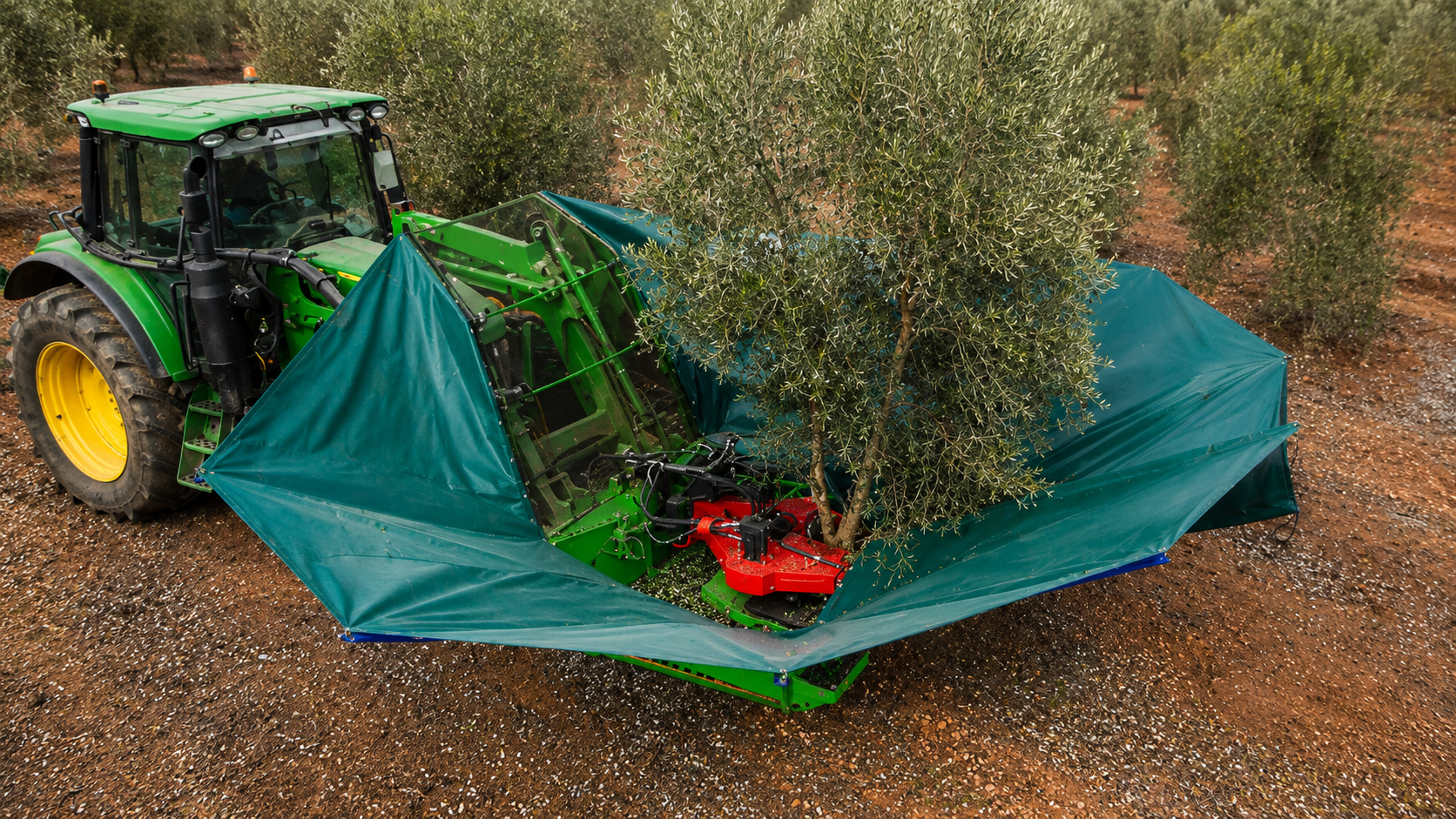
Choosing a grain seeder is not just a matter of machinery. In fact, it is a decision that directly affects germination, crop uniformity, and the efficiency of the entire growing season. When the machine is well-suited to the farm and operates on properly prepared soil, the results in the field are evident from the start.
Therefore, before deciding on a specific model, it is important to consider several factors: soil type, working area, seeding system, ease of adjustment, and, of course, a thorough understanding of how to adjust a seeder to maximize its potential. Added to this is a factor that often makes all the difference: proper soil preparation for planting, which remains the foundation for achieving uniform emergence and balanced crop development.
In this article, we’ll take a look at what a grain seeder is, what types are used in large-scale farming, and what factors to consider when choosing the most suitable model based on technical criteria and practical considerations.
What is a grain seeder and what is its function?
A grain seeder is the machine responsible for metering, distributing, and depositing the seed into the soil at the necessary depth and with the necessary consistency to promote uniform germination. Although this may seem like a simple task, it plays a crucial role, as the crop’s initial growth and subsequent development depend largely on it.
Beyond simply placing seed in the ground, a grain planter must operate with precision, maintain consistent distribution, and adapt to the actual conditions of the field. It is this responsiveness that enables more uniform plant establishment and allows for better utilization of both the seed and the soil’s productive potential.
Today, many farms are looking for equipment that combines reliability, ease of use, and efficiency in the field. In this regard, having a specific line of seeders allows us to better meet a variety of planting needs and accommodate different farming systems.
Types of grain seeders used in extensive farming
In extensive farming, there is no single type of grain seeder that works for every situation. Each farm operates under specific conditions, with different soil types, varying work schedules, and technical requirements that can differ significantly from one field to another.
That is why, when choosing a machine, it is important to be familiar with the main options available and to understand what each system has to offer. Making the right choice not only improves planting, but also makes day-to-day work easier and helps better adapt the machine to the realities of the farm.
Mechanical grain seeders: simplicity and reliability
Mechanical grain planters remain a highly valued option due to their simplicity of operation, durability, and ease of maintenance. These machines are designed to deliver reliable and consistent performance—a factor that is especially important during planting seasons when every day counts.
A mechanical grain seeder is often a good choice for those looking for a proven system that is easy to understand and features straightforward adjustments. In addition, this type of machine makes it easier to become familiar with key aspects such as how to adjust a seeder, since it is more user-friendly and generally easier to maintain.
When the soil is properly prepared for planting, this type of planter can deliver excellent results in terms of uniformity and operational efficiency.
Pneumatic grain seeders: precision in seed metering
Pneumatic grain seeders stand out for their ability to distribute seed with greater precision and consistency. Thanks to their air-conveying system, they allow for more uniform seed placement, which is particularly beneficial when aiming for more even crop establishment.
This type of grain seeder is typically well-suited for farms that prioritize precision, high output, and a more consistent seed distribution across the entire width of the machine. Within this segment, solutions such as the SNE-R pneumatic coulter seeder meet the needs of professional, efficient seeding that is tailored to today’s agricultural demands.
With these models, knowing how to adjust a seeder is even more important, since proper settings directly affect the seed rate, planting depth, and overall planting quality.
Key Factors to Consider When Choosing a Grain Seeder
When choosing a high-quality grain seeder, it is important to look beyond the basic specifications. The machine should be suited to the type of farm, the typical working area, the soil conditions, and the level of precision required for crop planting.
It is also important to consider how the equipment will actually be operated. It is not enough to have a good machine if you do not fully understand how to adjust a seeder or if the agronomic foundation of the soil has not been properly prepared. In this regard, soil preparation for planting remains an essential factor, because it directly affects the seeder’s ability to maintain depth, stability, and consistency.
Ultimately, making the right choice means striking a balance between work capacity, precision, ease of use, and suitability for the farm’s actual needs.
Working width, hopper capacity, and power requirement
Working width is one of the first factors typically considered when choosing a grain seeder, as it directly affects productivity and the ability to cover ground during tight planting windows. However, the widest machine is not always the most suitable. It all depends on the size of the fields, the farm’s organization, and the available tractor.
The hopper capacity is also a key factor. A larger capacity allows you to work longer without having to stop to reload, which is especially useful on large farms or when you need to maintain a steady work pace. However, this increase also affects the overall weight of the combination, so it is important to carefully consider the compatibility between the machine and the tractor.
As for the required power, this aspect should not be overlooked. A grain seeder must be paired with a tractor capable of moving the combination with ease and maintaining stable operation even under the most demanding terrain conditions. When this combination is properly matched, seeding becomes more efficient and consistent.
Seeding accuracy and its impact on crop yield
Seeding precision has a direct impact on crop performance from the very earliest stages. When seeds are distributed evenly, at the proper depth, and with good soil contact, emergence is typically more uniform, and the crop gets off to a more balanced start.
For this reason, a grain planter must ensure consistent seed metering and even seed placement. This is where a thorough understanding of how to adjust a planter becomes particularly important, as even minor misalignments can result in significant variations within the field.
Furthermore, this precision does not depend solely on the machine. Preparing the soil for planting is just as critical. If the ground is uneven, compacted, or has an uneven seedbed, even a high-quality planter will see its performance limited. When both factors work in tandem, the crop’s yield potential is much better realized.
Benefits of Using the Right Grain Seeder
Using the right grain seeder offers benefits that go far beyond mere convenience. The first and most obvious benefit is more uniform crop establishment, which has a positive impact on germination, early development, and the overall uniformity of the field.
It also improves seed utilization efficiency, as proper metering prevents over-application, reduces failures, and helps maintain the target plant density for each crop. This results in better use of resources and more precise seed management.
At the operational level, a well-chosen machine makes daily work easier, reduces problems, and helps maintain a more consistent planting rate. And when you also know how to adjust a planter and have properly prepared the soil for planting, the entire process gains in quality, reliability, and performance.
Basic Maintenance and Adjustments for Grain Planters
Maintaining a grain seeder is essential to its performance. Keeping the metering systems, hoses, coulters, discs, and drive components in good condition helps maintain the machine’s precision and prevent problems during the growing season.
In addition to maintenance, basic adjustments are just as important. Knowing how to adjust a seeder involves checking the seeding rate, verifying the planting depth, monitoring the pressure of the seeding units, and adapting the machine to the specific conditions of each field. These checks should not be viewed as a secondary task, but rather as part of the work required to achieve high-quality seeding.
In addition, proper soil preparation for planting helps the planter operate more stably, with less mechanical stress, and with greater consistency across the entire working width. In other words, taking care of the land and taking care of the machine are two parts of the same strategy.
Seeding solutions tailored to your farm's needs
Choosing the right grain seeder is a decision that directly affects the quality of planting, work efficiency, and the crop’s potential yield. That is why having access to technical advice and solutions tailored to real-world field conditions can make a significant difference on the farm.
In Solano Horizonte , we work to provide planting equipment capable of adapting to different farming systems, levels of demand, and agronomic needs. If you want to improve crop establishment, optimize soil preparation for planting, and better understand how to adjust a planter to get the most out of your equipment, contact us and discover the solution that best fits your farm.