Choosing the right plant protection equipment is a key decision for improving application efficiency, reducing losses, and tailoring each application to the specific crop. Understanding the
differences between a sprayer and an atomizer It allows for greater precision, optimizes costs, and better protects both the crop and available resources. On farms with very different needs, choosing the right machine affects not only the outcome of the treatment but also the profitability of the growing season.
In
Solano Horizonte, a manufacturer of agricultural machinery business model is built on quality, reliability, flexibility, and after-sales service; spraying is also one of its strategic product lines.
What is an agricultural sprayer and how does it work?
A
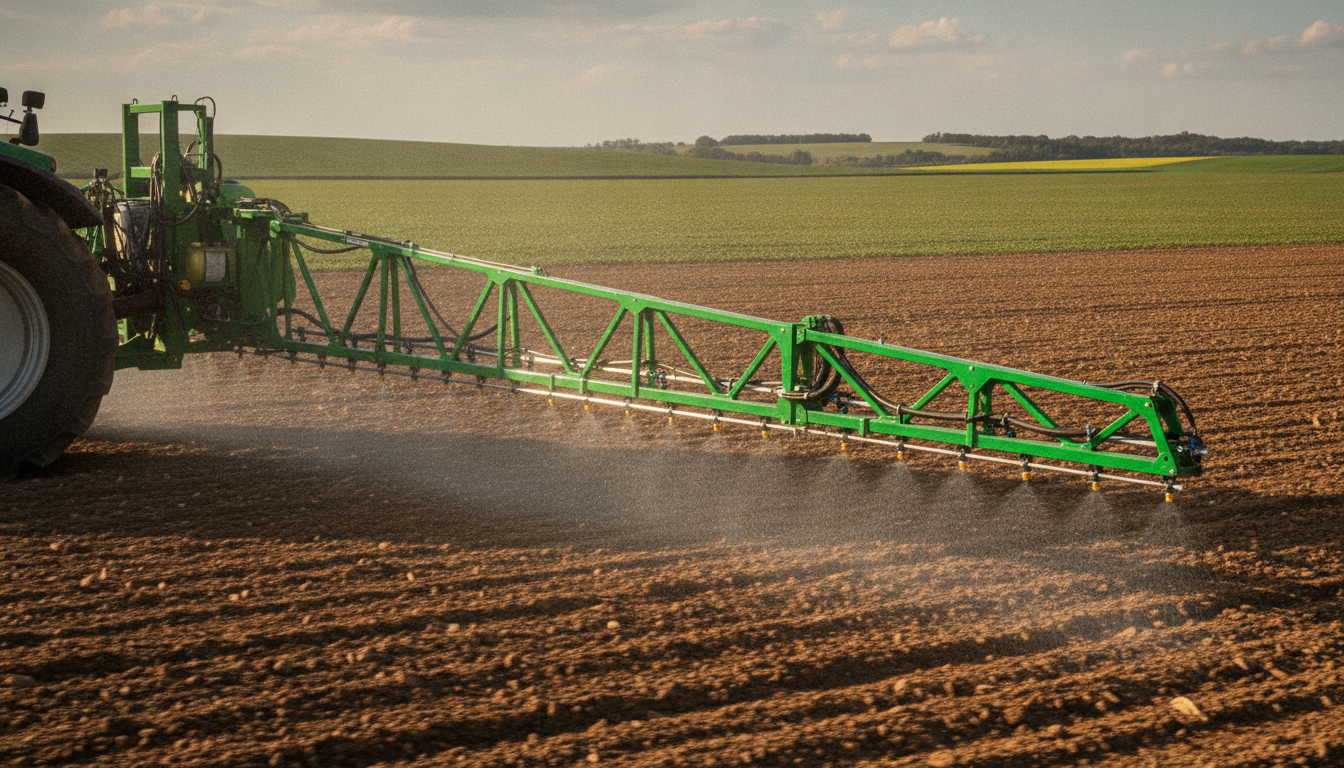
agricultural sprayer is a machine designed to apply plant protection products, herbicides, fungicides, or liquid fertilizers by means of
hydraulic spray of the mixture through nozzles. The system generates pressure-driven droplets, distributing them evenly over the crop depending on the equipment configuration, the type of nozzle, and the forward speed.
This system is used primarily on extensive and herbaceous crops, where the main objective is to achieve uniform coverage over more open and less dense areas. In this context, the droplets are typically medium to large in size, which helps better control drift and facilitates stable applications under suitable working conditions.
Among the current
spraying solutions, the sprayer stands out for its versatility, ease of adjustment, and efficiency on farms where the crop structure does not require air assistance to achieve penetration. If you have any questions, check out the
sale of agricultural sprayers by Solano.
What is an agricultural sprayer and how does it work?
A
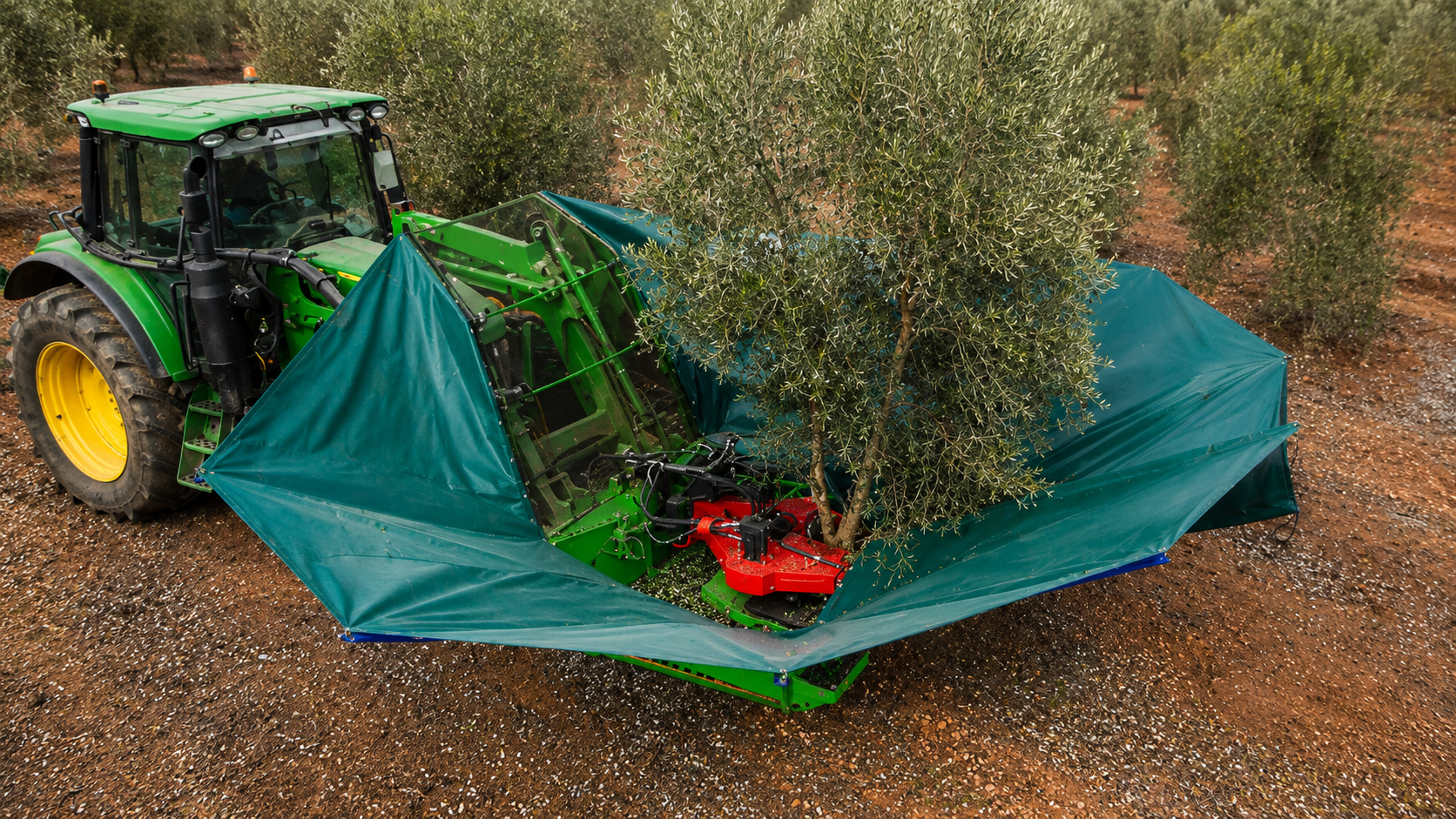
agricultural sprayer It also applies plant protection solution through nozzles, but incorporates a unique feature: an airflow generated by a fan. Its operating principle is based on the
air-assisted hydraulic projection, which allows the droplets to be carried into the plant tissue.
This type of equipment is particularly suitable for woody and tree crops, such as fruit trees, citrus trees, almond trees, olive groves, or vineyards in certain configurations. Thanks to the air support provided by a
high-quality atomizer, it achieves greater penetration through dense vegetation and ensures better product coverage of the inner parts of the canopy.
For this reason, when working in plantations with dense vegetation, the atomizer offers a coverage capability that is hard to match with other systems. However, it requires more precise adjustment to prevent losses due to drift and over-application. In addition, proper
maintenance of agricultural sprayers It is crucial to maintain the fan's performance, the flow direction, and the condition of the nozzles and circuits.
Technical differences between a sprayer and an atomizer
The main ones
differences between a sprayer and an atomizer lie in the way each agricultural machine transports the product to the biological target.
The
The sprayer operates using hydraulic pressure. Application quality depends largely on the nozzle, pressure, working height, and forward speed. It is a highly effective solution when the crop has an open structure and uniform distribution is desired over a relatively accessible area.
The
An atomizer, on the other hand, adds air energy to the process. This airflow helps push the spray deeper into the vegetation and improves coverage on leaves, branches, and fruits located in less exposed areas. However, this makes the spray pattern more sensitive, and the risk of drift may increase if the air flow rate, nozzle orientation, or weather conditions are not properly adjusted.
There are also d
differences in energy consumption, penetration, the volume of broth required, and the type of crop for which each device is more efficient. Generally speaking, the sprayer tends to require less energy, while the atomizer delivers better results on dense vegetation.
When to use an agricultural sprayer
The
agricultural sprayer is the best choice when working on
extensive or herbaceous crops, where the vegetation does not form a dense barrier and the spray can reach the target without the need for air assistance.
It is typically the recommended equipment for cereals, oilseeds, legumes, pastures, or large-scale herbicide applications. It is also suitable when prioritizing simple application management, lower energy consumption, and a reduced risk of drift compared to excessively fine droplets.
In addition, the sprayer is a highly efficient alternative when seeking uniformity, operational speed, and ease of maintenance for frequent treatments throughout the year.
When is an agricultural sprayer most appropriate?
An agricultural sprayer is best suited when the
The crop exhibits volume, height, or plant density enough to require penetration. In
fruit orchards, citrus groves, olive groves, almond groves, or vineyards, this system allows for coverage of internal areas that would be less effectively reached with conventional spraying.
In these situations, air assistance improves the distribution of the treatment and increases the likelihood of it reaching the target plant surface. For farms that require specialized equipment, the
suspended atomizers can be an excellent choice when maneuverability and adaptability to specific planting configurations are priorities, whereas the
towed sprayers They are generally better suited for farms that require greater work capacity and autonomy.
The key is to properly size the equipment based on the growing conditions, canopy volume, and the type of treatment to be performed.
Advantages and limitations of each application system
The
sprayer offers the following as its main features
advantages: great ease of use, lower energy costs and is effective for use in open fields. It also tends to simplify adjustments for many common tasks and reduces the mechanical complexity of the system. Its main limitation arises when working on dense vegetation, where the product may not penetrate sufficiently.
The
atomizer, for its part, stands out for its
high penetration capacity and its effectiveness on woody crops. It allows for the use of smaller spray volumes and improves coverage on complex plant structures. However, it requires more technical adjustment, consumes more energy, and can increase drift if not calibrated correctly.
In both cases, the final quality of the application depends not only on the type of machine, but also on the settings, the condition of the components, and the operator’s experience.
Common mistakes when choosing between a sprayer and an atomizer
One of the most common mistakes is choosing equipment solely based on habit or availability, without assessing the actual crop structure. Not all treatments require air assistance, but neither can all be effectively addressed with simple hydraulic spraying.
Another common mistake is assuming that a higher flow rate or a finer droplet size always improves the result. In reality, improper adjustment can lead to drift, product loss, and poor coverage. It is also common to fail to consider the planting pattern, vegetation height, forward speed, or weather conditions at the time of application.
In the case of the sprayer, neglecting the
maintenance of agricultural sprayers This is another major mistake. The condition of the fan, nozzles, filters, pump, and airflow direction directly affects the quality of the treatment. Improperly adjusted equipment can compromise both the effectiveness and efficiency of the procedure.
How the choice of equipment affects the effectiveness of treatment
The choice between a sprayer and a fogger affects coverage, penetration, droplet size, application uniformity, and the actual utilization of the applied product. In other words, it directly influences the effectiveness of the treatment.
When the equipment is well-suited to the crop, it increases the likelihood that the product will reach the target at the correct dose and in the right place. This translates to a better agronomic response, less waste, lower environmental risk, and clearer optimization of operating costs.
That is why it is important to fully understand the
differences between a sprayer and an atomizer It is not just a technical matter: it is a strategic decision aimed at improving field performance and extending the service life of the machinery through proper use and maintenance.
Contact Solano Horizonte choose the right equipment
If you need advice on choosing the best application system for your farm or distribution network, Solano Horizonte help. We analyze your crop type, treatment requirements, and operational setup to guide you toward the most efficient, reliable, and durable solution. Contact our team to find out which equipment best suits your spraying and atomization needs.