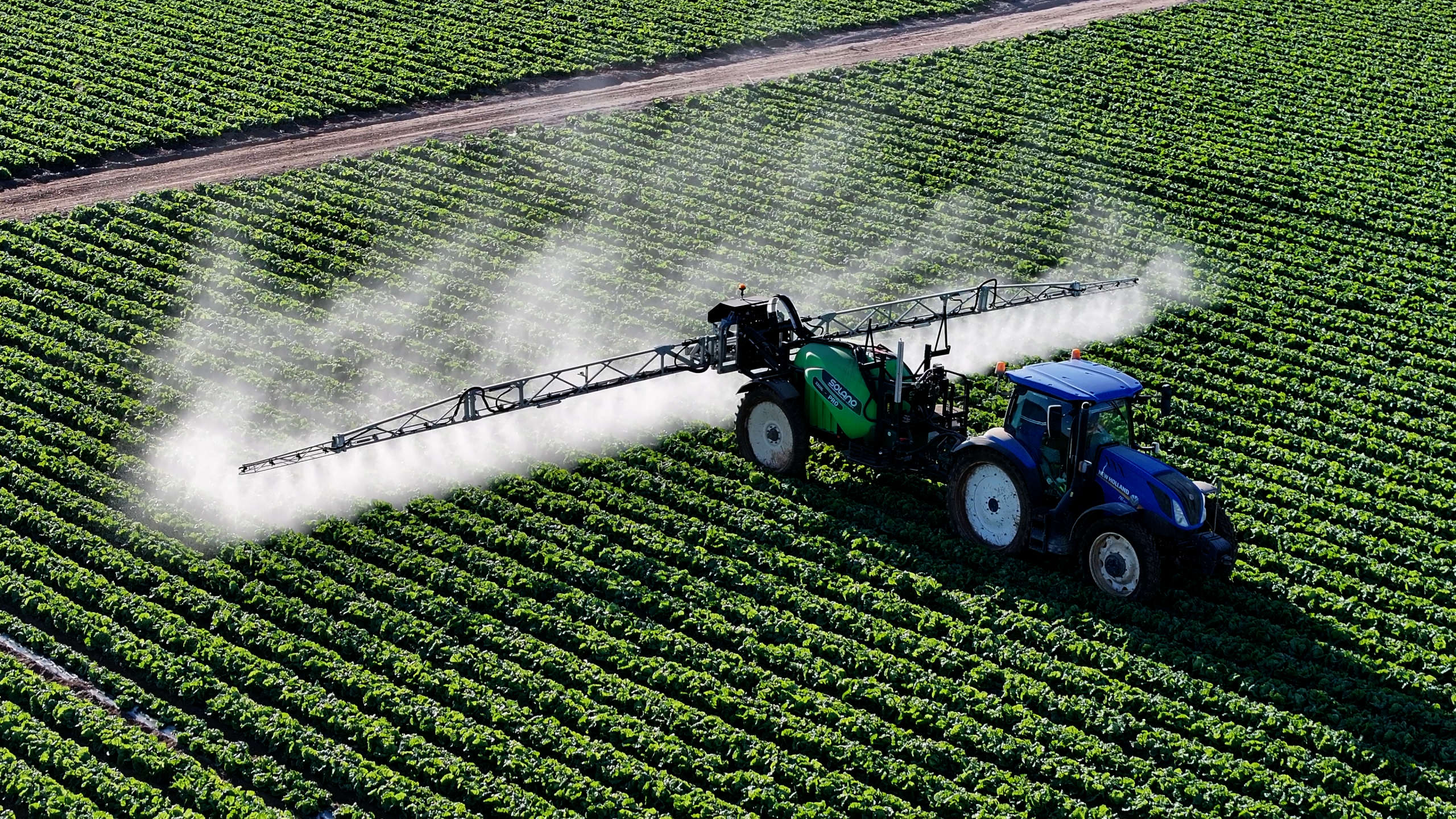
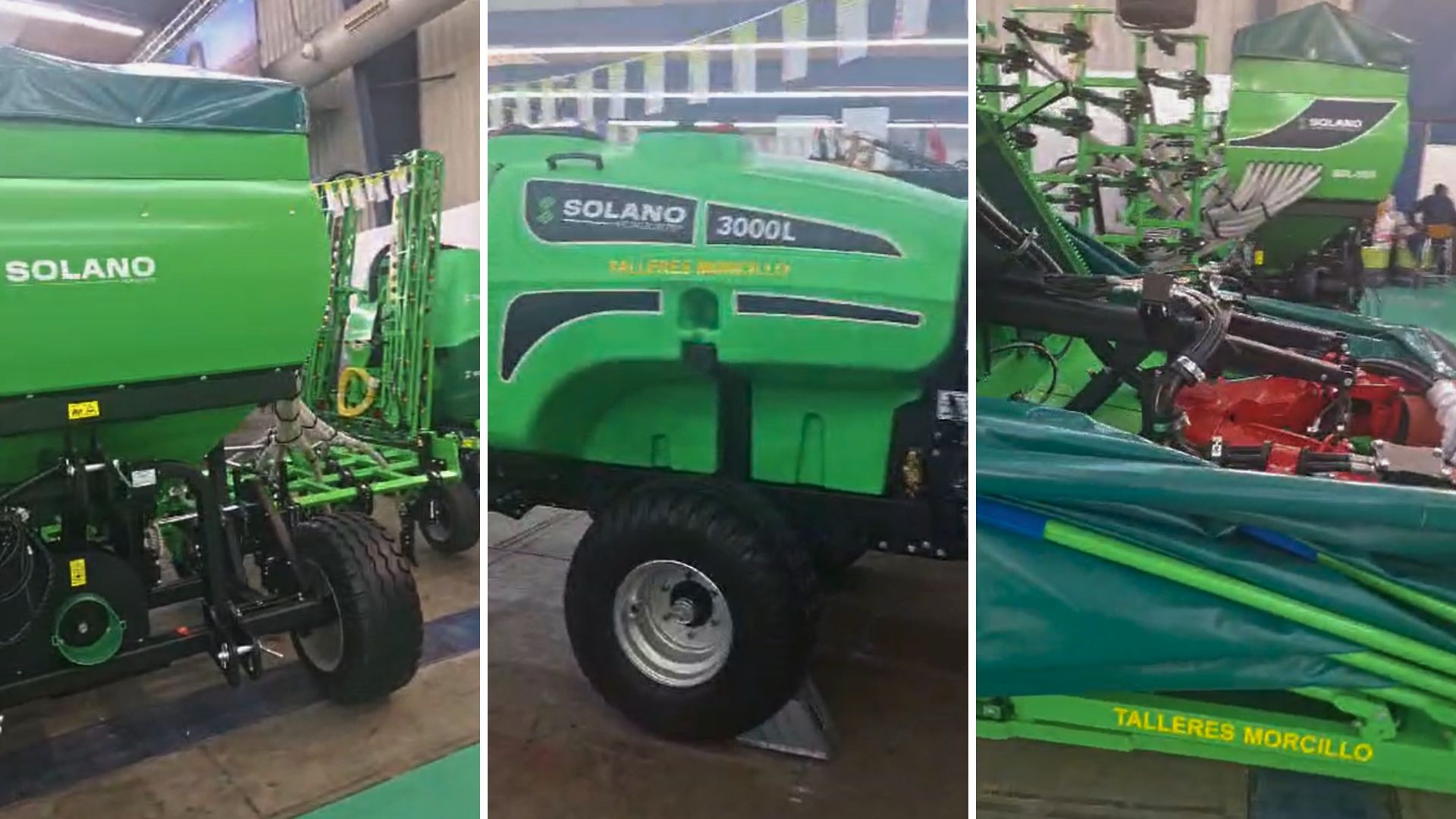
Proper sprayer calibration is one of the most important tasks in extensive farming. Poor calibration can lead to financial losses, ineffective treatments, and unnecessary product use. Therefore, understanding what calibration is and how to apply it correctly is key to improving the profitability and sustainability of the farm.
Calibration is not just a technical adjustment of the sprayer, but a process that takes into account the type of crop, soil condition, previous work system, and treatment objectives. On farms where tasks such as plowing, cultivation, or subsoiling are carried out, calibration becomes even more important due to variations in the surface and structure of the land.
Why correct sprayer calibration is key in extensive crops
Understanding what sprayer calibration is involves realizing that it is a matter of adjusting the equipment to apply the exact dose of product, at the right time and with the greatest possible uniformity. In extensive crops, where large areas are worked, small errors can result in significant losses.
A correctly calibrated sprayer allows:
- Ensure even distribution of the product.
- Reduce the use of pesticides.
- Minimize drift and environmental impact.
- Make better use of previous soil preparation work.
The type of work carried out before spraying directly influences the outcome of the treatment. Spraying after deep plowing is not the same as spraying after cultivating. Understanding the differences between plowing and cultivating helps to adapt the sprayer settings to the actual soil structure. Similarly, knowing what an agricultural subsoiler is is key when working on compacted soils, as these tasks modify infiltration and surface uniformity.
To learn more about the different systems and tasks involved in preparing the land, you can consult this information on soil work.
Essential steps for correctly calibrating an agricultural sprayer
The calibration process must be carried out systematically and adapted to each farm. There is no universal setting, as factors such as the crop, soil, and machinery used all have an influence.
The basic steps include:
- Check the overall condition of the sprayer and nozzles.
- Select the appropriate anti-drift nozzles to reduce wind losses.
- Adjust the flow rate according to the recommended dose.
- Check the working pressure and feed rate.
The choice of nozzles is particularly important, as they directly influence the spray droplet size, a key factor in achieving good coverage without increasing the risk of drift. An inappropriate droplet size can result in ineffective treatments or damage to neighboring crops.
In addition, the condition of the soil after previous work also affects the result. For example, there are clear differences between disc harrows and cultivators, as each tool leaves a different surface, which affects the uniformity of application and the adhesion of the product.
Adjustment of flow rate, pressure, and spray speed
The balance between flow rate, pressure, and speed is at the heart of calibration. A small change in any of these parameters directly modifies the spray droplet size and the amount of product applied per hectare.
- Excessive flow may cause overdosing.
- Excessively high pressures generate fine droplets and increase drift.
- Inappropriate speed alters the actual dose applied.
The use of anti-drift nozzles, combined with a constant forward speed and correctly adjusted pressure, allows for safer and more efficient treatments, especially in extensive crops where uniformity is key.
Proper calibration not only improves treatment effectiveness, but also protects your investment in machinery and products, ensuring more accurate and profitable work season after season.