Choosing the right spray nozzles is crucial for effective treatments, reducing product waste, and protecting both crops and the environment. Although often considered a minor component of equipment, nozzles directly influence spray quality, crop coverage, and field work efficiency.
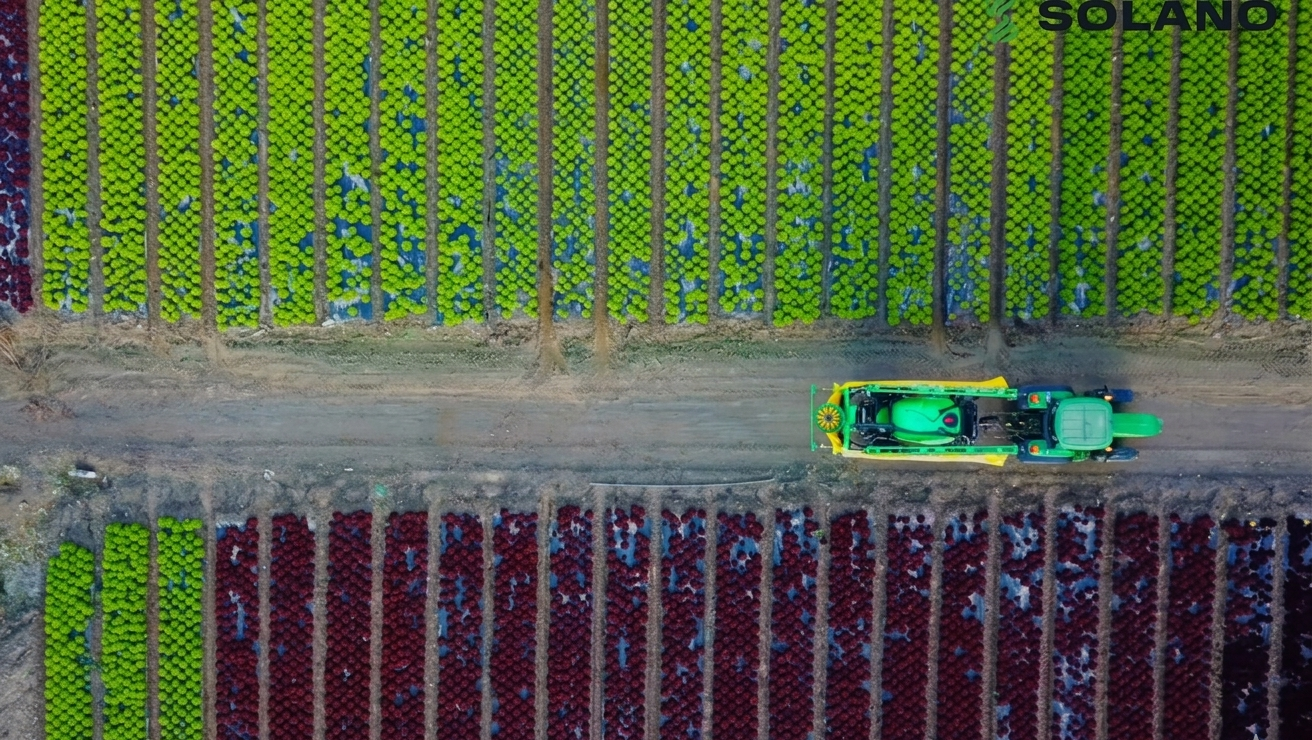
A properly adjusted sprayer, equipped with the right nozzles, allows for the even application of pesticides, optimizes usage, and minimizes risks such as drift or over-application. In this regard, having a well-configured agricultural sprayer is just as important as choosing the right product to apply.
You can learn more about professional spraying solutions on our website.
Key factors for selecting the right spray nozzle
When choosing spray nozzles, it is essential to analyze various technical and agronomic aspects that determine the final result of the treatment.
Among the most important factors are:
- Type of treatment: herbicides, fungicides, or insecticides require different spraying patterns.
- Crop and vegetative stage: spraying a cereal in its early stages is not the same as spraying a crop with a large leaf mass.
- Working speed: directly influences the required flow rate and operating pressure.
- Environmental conditions: wind, temperature, and humidity affect drift and application efficiency.
Selecting the right spray nozzles allows you to adapt the sprayer to each situation, improve treatment efficiency, and get the most out of your equipment's performance.
Types of spray nozzles and their applications in the field
There are different types of spray nozzles, each designed to perform a specific function depending on the crop and the product being applied.
Among the most commonly used in the field are:
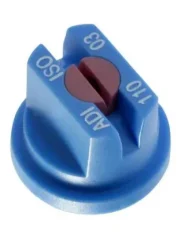
- Flat fan nozzles, commonly used in herbicide treatments due to their good uniformity.
- Anti-drift nozzles, which reduce the formation of fine droplets and minimize wind losses.
- Hollow or solid cone nozzles, suitable for treatments requiring greater penetration.
- Low-pressure nozzles, designed for greater safety and control.
The correct choice of nozzle, together with proper spray bar configuration, can significantly increase treatment efficiency.
Importance of droplet size and working pressure in spraying
Drop size is one of the most critical aspects in the use of spray nozzles. Drops that are too fine increase the risk of drift, while excessively large drops can reduce product coverage on the crop surface.
Working pressure directly influences this balance:
- High pressures generate finer droplets and greater coverage, but increase the risk of drift.
- Low pressures produce thicker droplets, reducing losses, but require a suitable nozzle to maintain treatment effectiveness.
Correctly adjusting the pressure and selecting the right nozzle optimizes spraying, improves treatment effectiveness, and protects both the crop and the environment, resulting in safer and more cost-effective applications.